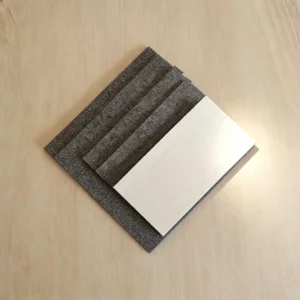
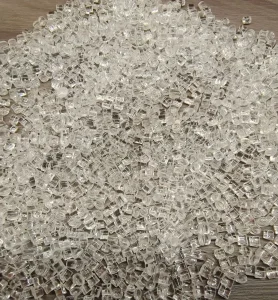
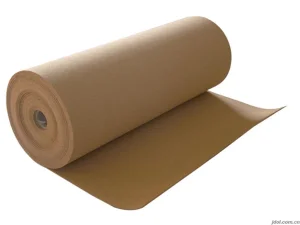
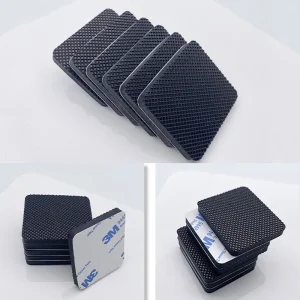
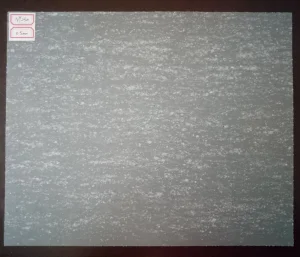
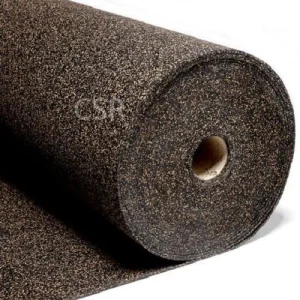
Explore our top-tier catalog of custom molded rubber pads, acoustic floor underlayments, high-temperature composite gaskets, and polymer granules engineered for demanding industrial environments.
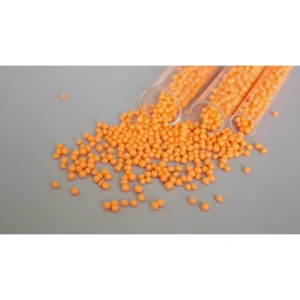
Understanding the synergistic fusion of natural cork cellular matrix and synthetic elastomeric binders for zero-side-flow high-compression sealing.
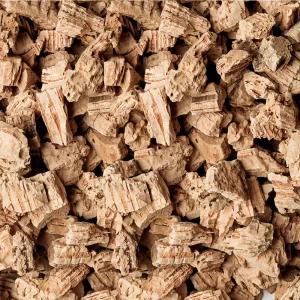
Natural cork granules consist of millions of microscopic air-filled honeycomb cells. When compressed under heavy flange loads, cork deforms internally without expanding laterally, preventing gasket extrusion and maintaining seal integrity.
By cross-linking cork granules with Nitrile (NBR), Neoprene (CR), Silicone (VMQ), or EPDM polymers, our molding process encapsulates cork within a fluid-impermeable matrix that resists oil, fuel, ozone, and thermal degradation.
The combined viscoelastic properties of rubber and cork yield exceptionally high loss factors (tan δ), effectively damping low-to-high frequency harmonic mechanical vibrations in HVAC systems, powertrains, and transformers.
In high-performance industrial sealing, traditional elastomeric seals often suffer from lateral flow—a phenomenon where compression force causes the rubber material to squeeze out horizontally from the flange interface. This leads to rapid bolt torque loss, micro-cracking, and eventual fluid leaks. Conversely, untreated natural cork lacks the chemical resilience required to resist synthetic lubricants, transformer dielectric fluids, and modern fuel blends.
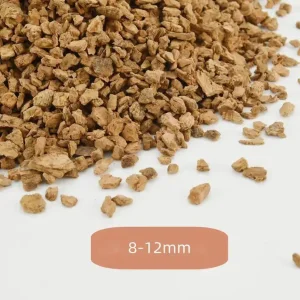
Cork rubber molding products solve this critical engineering dilemma by homogenizing high-purity cork granules (granule sizes ranging from 0.5mm to 3.0mm) into precise synthetic rubber matrices. During thermal compression molding or transfer molding, the elastomer vulcanizes around the cork grains, creating a structural continuous phase. The result is a sealing material that exhibits high compliance to uneven flange surfaces, exceptional torque retention, near-zero lateral displacement, and broad chemical resistance.
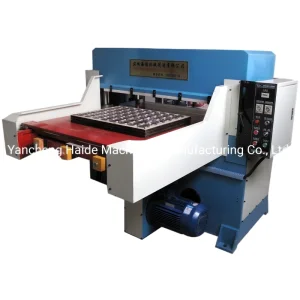
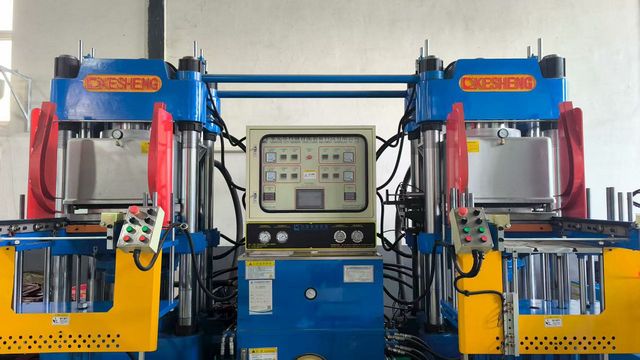
Leveraging modern precision hydraulic vulcanization presses, automated die-cutting technology, and streamlined supply chains in Dongguan, China.
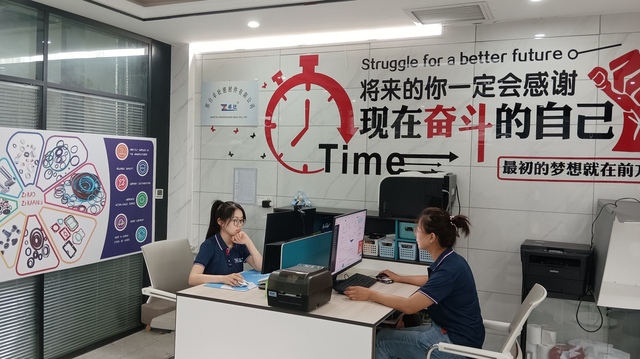
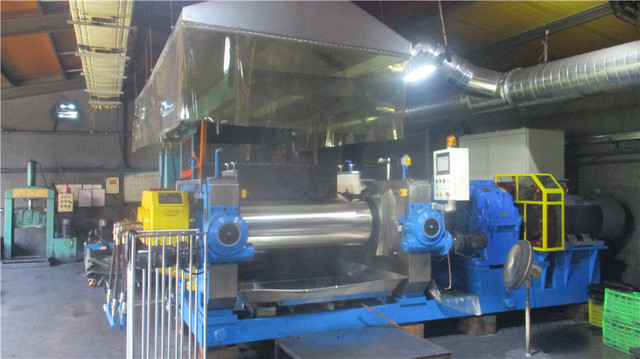
As global procurement managers navigate tightening budgets, volatile supply chains, and rising technical specifications, China's advanced manufacturing hubs—specifically Dongguan's rubber and polymer technology cluster—offer unparalleled competitive advantages. Dongguan Royflexa Rubber Co., Ltd. integrates raw cork refining, synthetic rubber compounding, precision tool making, custom hydraulic vulcanization molding, and high-speed CNC die-cutting under a single unified quality control system.
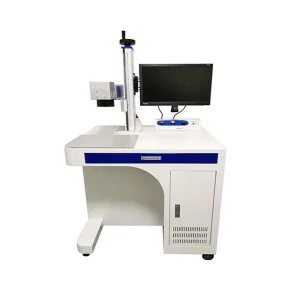
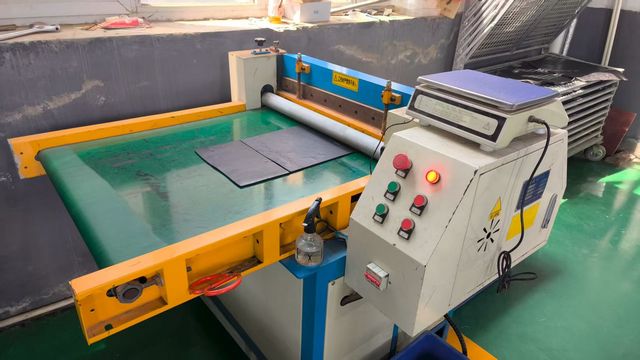
By controlling every stage of production from raw granule selection to multi-axis laser marking and automated optical inspection (AOI), our factories deliver standard and custom-molded cork rubber products with ultra-tight tolerances (±0.05mm). Furthermore, our centralized supply chain network reduces raw material procurement lead times by up to 40%, ensuring rapid prototype delivery within 3-5 working days and high-volume containerized shipments within 14 days.
Select the optimal elastomer binder compound based on temperature thresholds, fluid exposures, compressibility, and mechanical recovery requirements.
| Elastomer Binder Type | Hardness (Shore A) | Temp Range (°C) | Compressibility Range (%) | Key Chemical Resistance | Primary Industrial Applications |
|---|---|---|---|---|---|
| Nitrile Cork (NBR-Cork) | 60 - 80 | -30 to +125 | 25 - 45% | Mineral oils, fuels, grease, aliphatic hydrocarbons | Automotive engine gaskets, oil pan seals, hydraulic systems, fuel pumps |
| Neoprene Cork (CR-Cork) | 55 - 75 | -40 to +115 | 30 - 50% | Ozone, weather, refrigerants, mild acids, oils | HVAC compressors, electrical transformer covers, outdoor enclosures |
| Silicone Cork (VMQ-Cork) | 50 - 70 | -60 to +200 | 35 - 55% | Extreme temperature, UV, ozone, steam, food fluids | Aerospace seals, high-temp thermal isolation, industrial baking, medical |
| EPDM Cork | 60 - 75 | -45 to +140 | 30 - 45% | Hot water, steam, brake fluids, polar solvents, alkalis | Water infrastructure, radiator gaskets, outdoor weather-proofing seals |
| Synthetic Polyisoprene / SBR Cork | 65 - 85 | -30 to +90 | 20 - 40% | General wear, water, mild alcohols, physical shock | Vibration isolation pads, machinery mountings, flooring underlayments |
Note: Standard values measured according to ASTM F104 testing protocols. Custom compounding and tailored density adjustments (from 500 kg/m³ to 1100 kg/m³) are available upon engineering request to meet specific OEM compressive stress limits.
How high-performance molded cork rubber components safeguard critical infrastructure and industrial machinery world-wide.
Electrical power distribution grids rely heavily on Neoprene-Cork and Nitrile-Cork gaskets to seal transformer tanks and bushings filled with mineral or synthetic dielectric oils. Cork's non-yielding compression ensures leak-free operation despite thermal cycling across decades of outdoor exposure.
From valve covers and oil pans to timing gear covers and transmission housings, molded rubber-cork components act as durable fluid barriers that absorb high engine vibrations while resisting blowouts caused by crankcase pressure fluctuations.
In modern architectural acoustics, cork rubber isolation sheets and underlayments are installed beneath hard surface flooring (hardwood, ceramic tile, laminate) in luxury hotels and high-rise apartments to eliminate impact noise transmission (IIC rating compliance).
High-capacity chillers and commercial air conditioning units generate structural harmonics. Custom-molded anti-vibration rubber-cork feet and internal damping pads absorb mechanical kinetic energy, extending compressor service life.
Precision gas meters and fluid metering pumps mandate zero gas permeability and ultra-low compression set. Cork rubber seals provide perfect micro-sealing against rough cast-aluminum housings without distorting delicate internal chambers.
From non-slip feet on high-end kitchen appliances to vibration isolation pads within washing machines and power tools, molded elastomeric cork compounds provide superior tactile grip and structural stability.
How cork rubber composite technologies are evolving to support carbon neutrality, green building certifications (LEED/BREEAM), and smart manufacturing.
Natural cork is an inherently negative-carbon raw material; cork oak trees (Quercus suber) absorb up to five times more carbon dioxide during bark regeneration than standard trees. The future of sealing technology lies in replacing fossil-derived synthetic rubbers with bio-based elastomeric binders (such as bio-based EPDM and bio-succinic acid Polyurethanes). Combining micro-granule cork with green polymers creates carbon-neutral industrial sealing products that satisfy European Union ESG compliance mandates.
Traditional cork composite manufacturing used relatively large granules (2mm to 4mm), which limited the minimum thickness of die-cut gaskets to around 1.5mm. Modern micro-granule milling technology enables cork particles under 200 microns to be uniformly dispersed within elastomeric sheets. This breakthrough allows the production of ultra-thin (down to 0.4mm) molded cork-rubber seals capable of replacing paper gaskets in micro-pumps and automotive sensors.
With the exponential rise of Electric Vehicles (EVs) and battery energy storage systems (BESS), thermal runaway containment has become a paramount safety concern. Next-generation molded rubber-cork formulations incorporate expandable graphite and hydrated mineral fillers into the elastomeric matrix. Under high thermal stress, the cork rubber material forms an insulating char layer that delays heat propagation across battery modules while maintaining structural seal integrity.
Established leader in scientific research, raw material formulation, and export-oriented industrial gasket manufacturing.
Dongguan Royflexa Rubber Co., Ltd. is an export-oriented, comprehensive and diversified large-scale private enterprise, taking the production of paper, gasket materials of flexible graphite, asbestos & non-asbestos, carbon black, and gasket & packing as the pillar industry, while also engaging in foreign trade, real estate, and scientific research simultaneously.
Since its establishment in 1996, by flexible management and continuous innovation, the group has achieved significant development—from a trading company to a business entity mainly engaged in scientific research and production.
We spare no effort to introduce international standardized management systems into our company. Our group has successfully passed ISO quality, environmental, occupational health, and safety management system certifications, improving product quality, environmental protection, production safety, and overall management level, and bringing the company onto an internationally standardized management track.
Paper, gasket materials of flexible graphite, asbestos & non-asbestos, carbon black, gasket & packing, and related products are all produced with world-class equipment and advanced manufacturing techniques imported by our company. These products offer reliable quality and competitive pricing. With a 60% increase in sales, our products have rapidly occupied markets both domestically and internationally and enjoy a strong reputation, earning wide recognition and praise.
All staff members of Dongguan Royflexa Rubber Co., Ltd., with renewed vigor and great enthusiasm, sincerely welcome friends and clients from all over the world to establish extensive cooperation and create a brilliant future together.
Our main products and materials are listed as follows:
Spiral Wound Gasket, Metal Jacketed Gasket, Graphite Composite Gasket, Camprofile Metal Grooved Gasket
Flat Metal Gasket, Solid Metal Serrated Gasket, Metal Ring Gasket (Oval Octagonal Ring Joint Gasket)
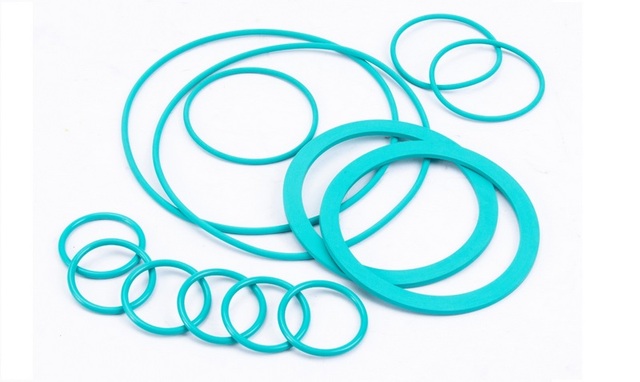
Rubber Gasket, Asbestos Gasket, Non-Asbestos Gasket, PTFE Gasket, PTFE Coated Gasket, Graphite Gasket
Flexible Graphite, Asbestos, Non-asbestos, PTFE, Neoprene/NBR Cork Sheets
PTFE Packing, Graphite Packing, Aramid Fiber Packing, Carbon Fiber Packing, Vegetable Fiber Packing, Mineral Fiber Packing, Asbestos Packing
Graphite, asbestos, fiberglass, ceramic fiber, carbon fiber insulating composites
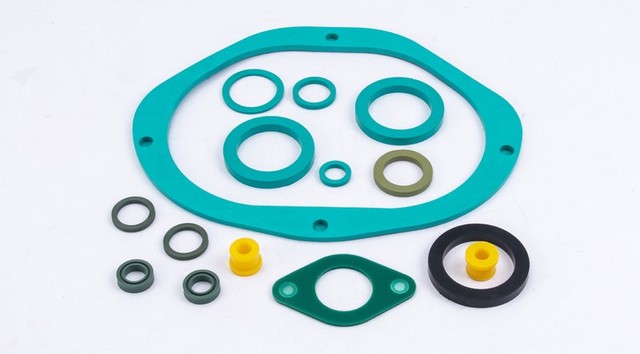
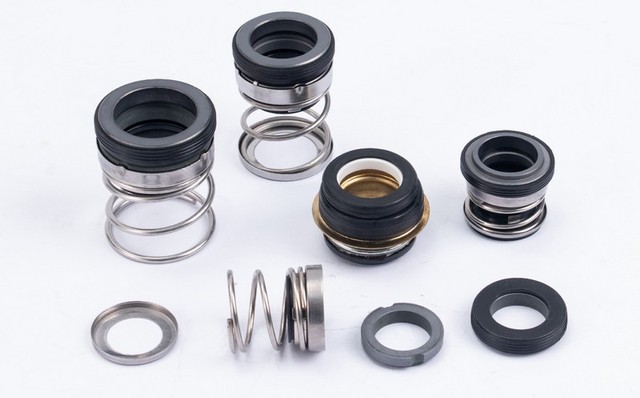
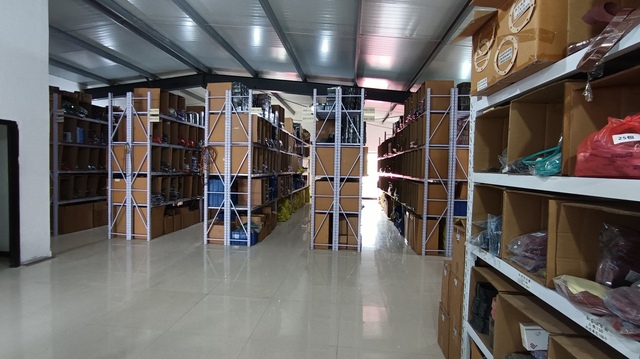
Expert answers regarding cork rubber molding specifications, quality standards, ordering procedures, and material selection.
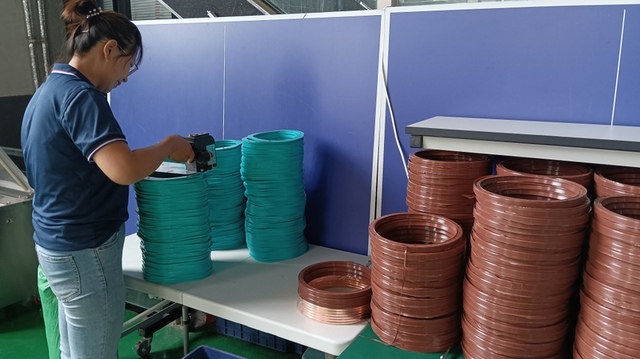
From raw cork granules and acoustic underlayment rolls to high-temp asbestos/non-asbestos jointing sheets and marking machinery.
 Royflexa Rubber