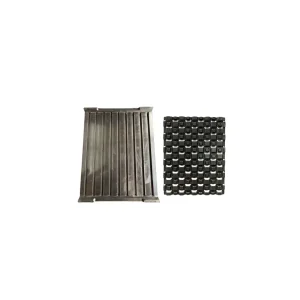
Top 10 Cork Rubber Insulation Panels Factories & Exporters

A Comprehensive Industry Whitepaper on Engineering Specifications, Procurement Criteria, and Global Supply Chain Excellence for Cork Rubber Solutions

Featured Engineering Cork & Rubber Materials

Select premium vibration dampening, acoustic insulation, and precision sealing components
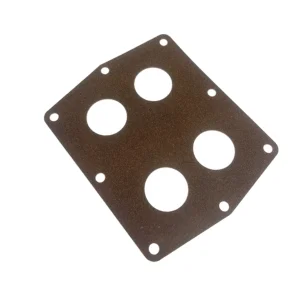
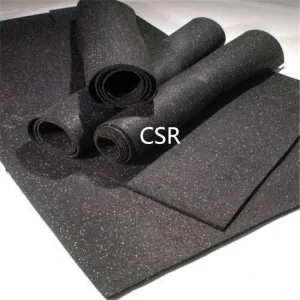
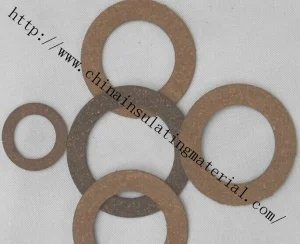
High-Quality Cork Gasket
High-Quality Cork Gasket for Reliable Mechanical Sealing Solutions
View Details
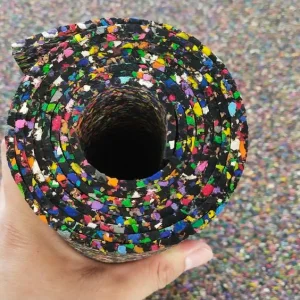
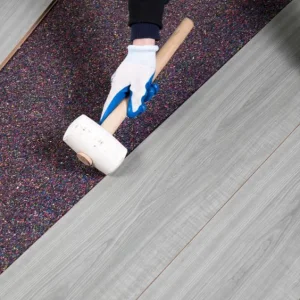
Acoustic Rubber Floor Mat
Acoustic Rubber Floor Mat Soundproofing Rolls Underlay for Laminate
View Details
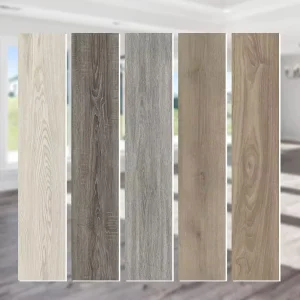
Waterproof Hybrid Vinyl Flooring
Bbl Mspc Waterproof Hybrid Durable 8mm Click Vinyl PVC Pisos Spc Flooring
View Details
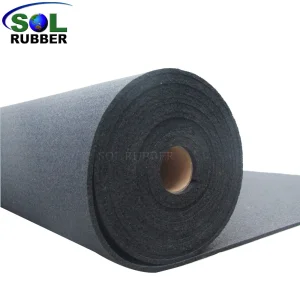
Sol Rubber Cork Underlayer
Sol Rubber Cork Acoustic Underlayer Rubber Flooring
View Details
3mm Acoustic Cork Rubber
3mm Acoustic Underlay Absorb Noise Cork Rubber Flooring
View Details
Heavy Duty Duct Tape
Heavy Duty Packaging Hardware Building Window Gap Seal Seal for Pipe Joints Tough Tensile Strength Brown Duct Tape Price
View Details
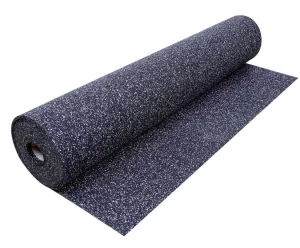
Sol Rubber Cork Underlayment
Sol Rubber and Cork Acoutic Underlayment Rubber Flooring
View Details
Cork Gasket O Ring
Cork Gasket O Ring for Transformer /Cork Gasket Insulation Sheet
View Details

Executive Authority & Manufacturing Heritage

Pioneering sealing, insulation, and elastomeric innovations since 1996

Established in 1996, Dongguan Royflexa Rubber Co., Ltd. has evolved from a progressive trading entity into an internationally recognized, science-driven manufacturing conglomerate. We specialize in producing high-performance industrial sealing gaskets, non-metallic and semi-metallic composite sheets, and advanced cork-rubber materials that satisfy the stringent technical requirements of modern mechanical and construction projects.

By implementing strict international standardized management systems, our group has achieved certifications in ISO 9001:2015 (Quality Management), ISO 14001:2015 (Environmental Management), and ISO 45001:2018 (Occupational Health and Safety Management). This robust framework ensures that every batch of cork rubber insulation panels, composite gaskets, and thermal barriers matches the high-quality benchmarks expected by our global partners.

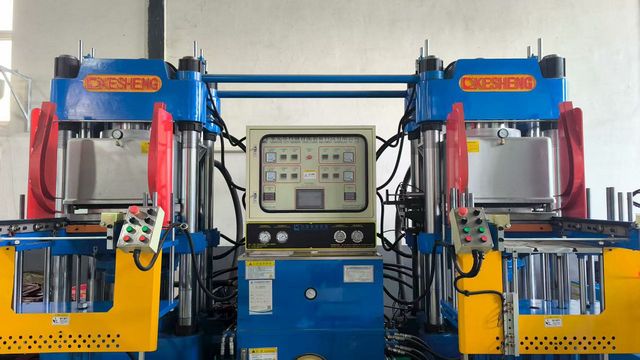
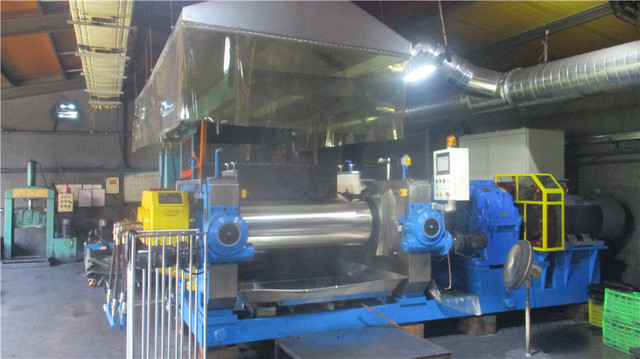
Our commitment to material innovation is supported by significant investments in state-of-the-art compounding facilities, automated vulcanization presses, and precision die-cutting equipment. Today, with a sustained 60% annual growth in international trade, Royflexa products protect critical industrial applications across North America, Europe, Southeast Asia, and beyond.
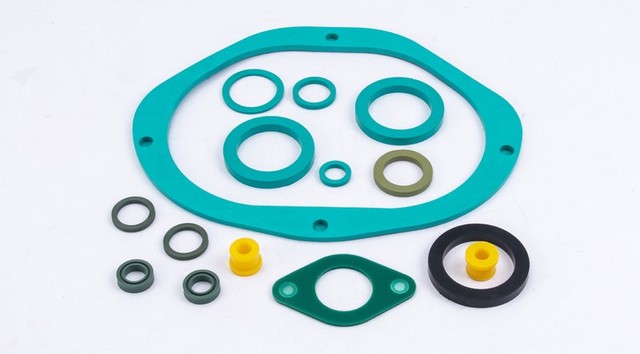
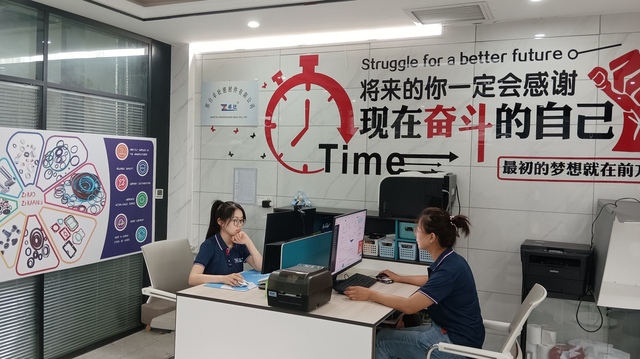
Dongguan Royflexa Rubber Factory Overview
1996
Established Year
60%
Export Growth
ISO
Certified Quality
Top 10
Global Exporter

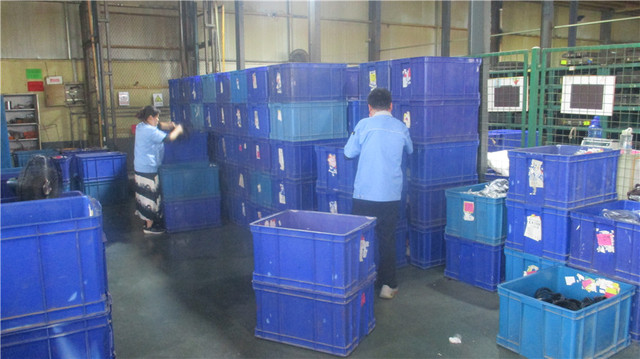
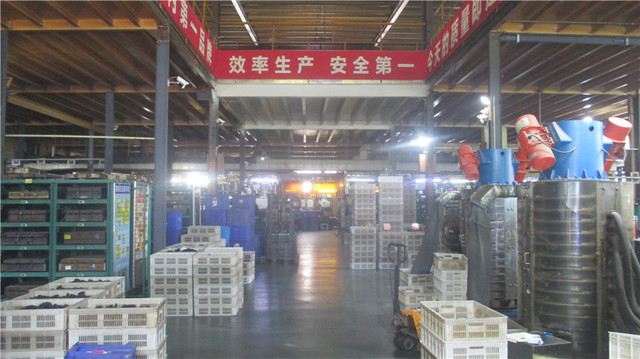
Our integrated industrial parks leverage advanced manufacturing techniques imported from top machinery manufacturers. From raw raw material compounding to final product inspection, the process is monitored by digital sensors and quality control engineers. This ensures that critical physical properties—such as compressibility, recovery rates, tensile strength, and oil resistance—meet ASTM F104 specifications for every order.

Whether you require customized natural rubber noise reduction pads, acoustic underlays for premium construction projects, or specialized cork-rubber gaskets for high-voltage electrical transformers, Dongguan Royflexa Rubber Co., Ltd. provides reliable technical solutions with competitive pricing and verified material integrity.
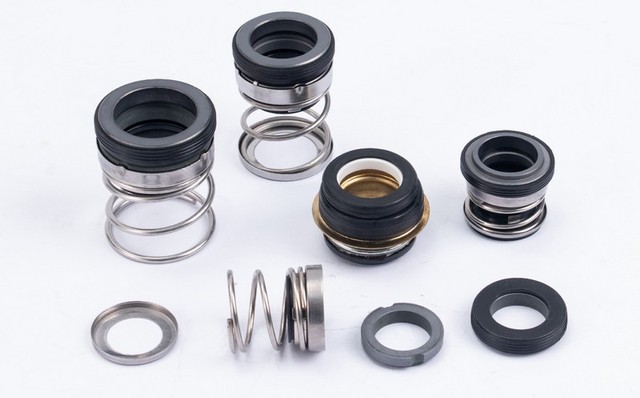
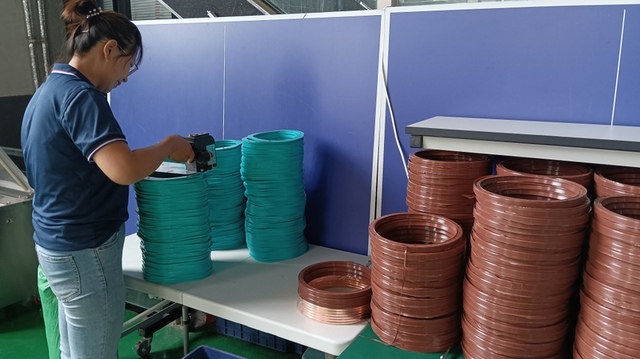
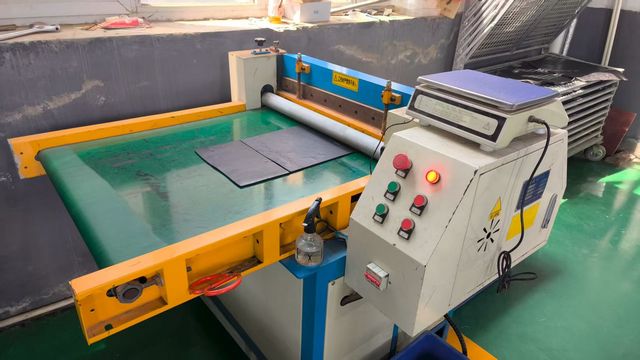
Royflexa Manufacturing Precision Equipment

Technical Roadmap & Future Outlook of Cork Rubber Insulation

The convergence of natural cellular structure and elastomeric science

Cork rubber insulation panels represent a highly effective hybrid material. They combine the natural, closed-cell air cushion of cork with the mechanical strength, chemical resistance, and elastic recovery of synthetic and natural elastomers (such as NBR, EPDM, Neoprene, and SBR). This unique structure delivers exceptional performance in thermal isolation, acoustic dampening, and vibration control.

Next-Gen Composite Matrix

Development focuses on combining ultra-fine cork granules (0.5–2.0 mm) with bio-based polyurethanes and recycled elastomeric matrices. This enhances structural stability and reduces the carbon footprint, achieving thermal conductivity values down to λ ≤ 0.040 W/m·K.

Nanotech Vulcanization

By adding nano-silica and functionalized carbon blacks to the rubber binder, manufacturers improve tensile strength and age-resistance. This prevents the degradation of insulation properties under long-term mechanical load and extreme temperatures.

Advanced Fire Retardancy

Integrating non-halogenated flame retardants allows modern cork rubber panels to meet strict building safety standards (such as EN 13501-1 Class B-s1, d0), expanding their use in public infrastructure and high-rise developments.

Looking ahead, the industry is moving toward smart, multi-functional panels. Future products will feature integrated piezo-resistive properties for real-time load and vibration monitoring in critical structures like railway tracks and industrial machinery foundations. By optimizing the ratio of air-filled cork chambers to dense polymer backbones, engineers can precisely tune acoustic absorption across specific frequencies, providing tailored noise control in residential and industrial environments.

Macro Industry Solutions Across Global Sectors

Engineered elastomeric components designed for demanding environments

Industrial applications require materials that perform consistently under pressure. Cork rubber and associated elastomeric composites provide critical functions across several key global industries:

  • Structural Vibration Isolation (High-Speed Railways & Metros): Premium railway track shock absorption cushions and under-ballast mats isolate dynamic energy. This prevents structural wear and dampens low-frequency vibrations in urban environments.
  • Acoustic Floor Underlayment Systems: Sol rubber and cork acoustic underlayments decouple floor finishes (laminate, LVT, SPC, hardwood) from concrete subfloors, significantly improving Impact Insulation Class (IIC) ratings.
  • Dielectric Liquid Containment (Electrical Transformers): Cork rubber gaskets (such as NBR-bonded cork) resist thermal cycles and corrosive transformer oils, maintaining high sealing pressure to prevent environmental contamination and component failures.
  • Machinery & HVAC Equipment Mounting: High-density natural rubber block noise reduction pads isolate compressor vibration, preventing structural noise transmission through commercial buildings.

China Factory 4.0: Supply Chain Resilience & Efficiency

Advanced production technologies driving global cost competitiveness

China's leading manufacturing sector has transitioned from manual production to highly automated, smart manufacturing facilities. By integrating Factory 4.0 principles, companies like Dongguan Royflexa Rubber Co., Ltd. maintain reliable quality while controlling production costs.

This manufacturing efficiency is built on three core pillars:

1. Automated Internal Mixers

Computerized systems manage the exact distribution of cork granules, polymers, vulcanization agents, and antioxidants. This ensures consistent physical properties across every production batch.

2. Continuous Vulcanization

Continuous rotary curing presses produce high-density acoustic underlayment rolls with uniform thickness, flat surfaces, and minimal internal stress, preventing installation issues.

3. Inline Optical Inspections

High-resolution camera systems monitor production in real time, automatically flagging surface defects, voids, or thickness variations that exceed strict tolerance levels.

This automated approach provides significant resilience against raw material and labor cost volatility, helping global procurement teams secure stable, long-term pricing contracts.

Localization Support, Global Compliance & Certification

Meeting international standards to simplify global customs and import processes

Exporting industrial components worldwide requires compliance with regional safety, environmental, and performance standards. To facilitate smooth imports, manufacturers must verify their products against international testing protocols:

Target Region Required Compliance / Standard Application Focus Royflexa Compliance Verification
European Union REACH & RoHS Declarations Chemical safety, non-toxic emissions, environmental compliance Fully Certified (Non-hazardous raw materials)
North America ASTM F104 Classification System Material properties of non-metallic gasket materials Verified (Physical testing parameters met)
Global Trade ISO 9001, ISO 14001, ISO 45001 Factory quality, environment, and safety management Fully Audited & Certified Facilities
Construction (Global) ASTM E492 / ASTM E989 (Impact Sound Transmission) Acoustic underlayment noise attenuation (IIC & STC ratings) Tested with third-party verification

By providing complete technical documentation, material safety data sheets (MSDS), and origin certificates, Royflexa helps engineering and logistics teams streamline their compliance and customs clearance processes.

Strategic Procurement Analysis for Global Enterprise Buyers

Key considerations for evaluating suppliers and optimizing total cost of ownership (TCO)

When sourcing industrial-grade cork rubber insulation panels or custom sealing gaskets, procurement managers must look beyond unit price. The following factors help ensure a reliable, long-term supply chain:

  • Density & Binder Chemistry: Verify that the elastomer compound matches your operating environment. For example, use NBR for oil-contact applications, EPDM for outdoor weathering, and CR for general industrial resilience.
  • Dimensional Accuracy and Tolerances: Specify precise thickness tolerances. For high-performance sealing and acoustic underlayments, thickness variations must remain under ±0.2 mm.
  • Custom Tooling and Prototyping: Partner with suppliers that offer in-house tooling, CAD/CAM design, and waterjet cutting for rapid prototyping and low-volume initial runs.
  • Logistics Packaging: Insist on moisture-barrier packaging and heavy-duty pallets to protect sensitive cork-composite rolls from moisture during long ocean transit.

Comprehensive Materials Matrix & Gasket Catalog

Industrial sealing materials engineered for critical high-pressure and high-temperature environments

Our manufacturing capabilities cover a wide range of industrial sealing gaskets and non-metallic sheet materials. We engineer these components to deliver reliable performance under demanding mechanical, thermal, and chemical conditions:
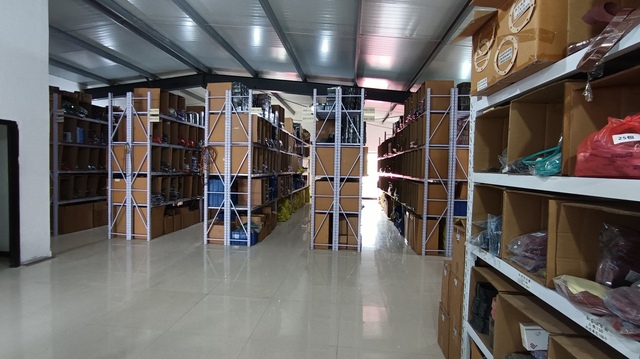
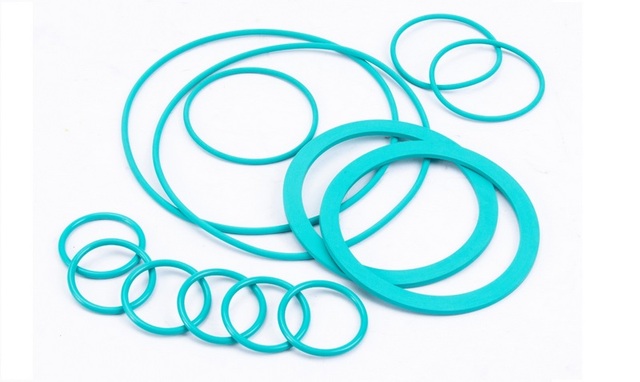
  • Semimetallic Gaskets: Spiral Wound Gaskets, Metal Jacketed Gaskets, Graphite Composite Gaskets, and Camprofile Metal Grooved Gaskets.
  • Solid Metal Gaskets: Flat Metal Gaskets, Solid Metal Serrated Gaskets, and Metal Ring Gaskets (Oval/Octagonal Ring Joint).
  • Non-Metallic Gaskets: Elastomeric Rubber Gaskets, Asbestos/Non-Asbestos Gaskets, Virgin and Modified PTFE Gaskets, PTFE Envelope Gaskets, and Flexible Graphite Gaskets.
  • Industrial Sheet Materials: Flexible Graphite Sheets, Compressed Asbestos Sheets, Non-Asbestos Jointing Sheets, and Virgin PTFE Sheets.
  • Braided Packings: PTFE Packings, Graphite Packings, Aramid Fiber Packings, Carbon Fiber Packings, and Vegetable/Mineral/Asbestos Fiber Packings.
  • Thermal Solutions: Expanded Graphite, Asbestos Products, Insulating Fiberglass, Ceramic Fiber, and High-Temperature Carbon Fiber materials.
Industrial Semi-metallic Spiral Wound Gasket Manufacturing
Precision Metallic Grooved Camprofile Gasket Production
Elastomeric Rubber Flange Gasket Die-Cutting Line
High-Temperature Compressed Non-Asbestos Gasket Sheet Stock
Reinforced Flexible Graphite Sheet Material Roll
Braided PTFE and Graphite Gland Packing Rings
High-Performance Aramid and Carbon Fiber Gland Packing
Thermal Insulation Fiberglass and Ceramic Fiber Textiles
Carbon Fiber Thermal Solutions and Heat Shields

Frequently Asked Questions (FAQ) & Technical Insights

Direct answers from our material engineering team

Q1: What are the primary differences between NBR-bonded cork and EPDM-bonded cork?
NBR-bonded cork provides excellent resistance to mineral oils, fuels, and typical solvents, making it ideal for automotive gaskets, gearboxes, and electrical transformer seals. EPDM-bonded cork is highly resistant to ozone, UV radiation, and outdoor weathering, making it the preferred choice for external structural expansions, architectural insulation panels, and high-moisture environments.
Q2: How does a cork-rubber panel compare to a pure rubber sheet for vibration isolation?
Pure rubber is virtually incompressible, meaning it deforms laterally when subjected to a load. Cork-rubber sheets contain microscopic, air-filled cork cells that compress volume-wise under pressure. This cell structure prevents excessive lateral expansion and improves energy dissipation, delivering higher vibration and impact sound isolation in restricted spaces.
Q3: Can cork rubber underlayment be used in wet-room applications like bathroom flooring?
Yes, provided the underlayment is combined with a waterproof membrane or is naturally protected by a water-resistant binder formulation. SBR or Neoprene-bonded cork products resist water absorption and prevent rot or mold growth, making them suitable for installation under waterproof hybrid vinyl (SPC) or ceramic tiles.
Q4: What is the typical compression and recovery rate of industrial cork-rubber sheets?
According to ASTM F36 testing, high-quality industrial cork rubber materials exhibit a compressibility of 15% to 30% under a load of 400 psi. The material recovers over 75% to 80% of its original thickness after the load is removed. This high recovery rate helps maintain reliable sealing pressure in dynamic joint assemblies.
Q5: Are these materials compliant with European REACH and RoHS environmental standards?
Yes, Royflexa cork rubber products and elastomeric sheets are manufactured using raw materials that are free from banned plasticizers, heavy metals, and polycyclic aromatic hydrocarbons (PAHs). We verify compliance through independent laboratory testing to ensure safety in residential, commercial, and industrial applications.
Q6: What options are available for custom shapes and sizing?
We support customized designs using CAD/CAM systems. Depending on volume and tolerance requirements, we can supply parts via high-speed rotary die-cutting, mechanical stamp-presses, or precision waterjet cutting. The latter option requires no tooling charge, making it ideal for prototypes and small production runs.

Explore Our Complete Product Catalog

Global logistics and supply capabilities for high-performance industrial components
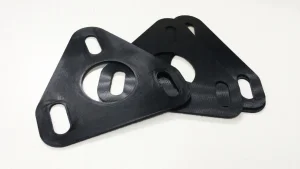
Triangle Rubber Shock Absorption Pads
Triangle Rubber Sheet Shock Absorption Rubber Sealing Pads
View Details
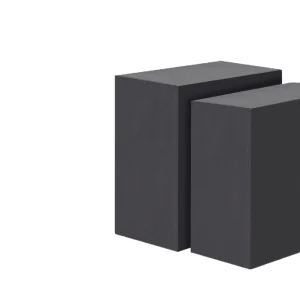
Custom Natural Rubber Noise Pad
Customized Shape Natural Rubber Block Noise Reduction and Shock Absorption Rubber Pad
View Details
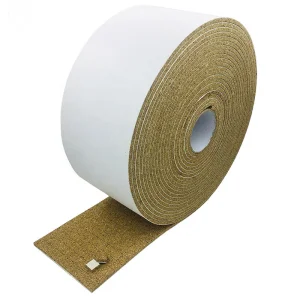
Paper Liner Rolls Cork Pads
18X18X5mm+1mm Paper Liner Rolls with Cling Foam Spacer Separator Cork Pads
View Details
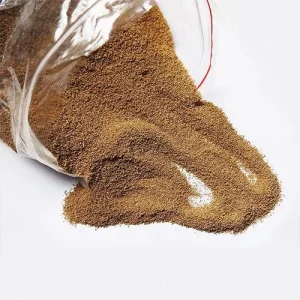
Factory Cork Granules
Factory Cork Granule Raw Materials for Cork Padding, Cork Flooring, Cork Wallboard
View Details
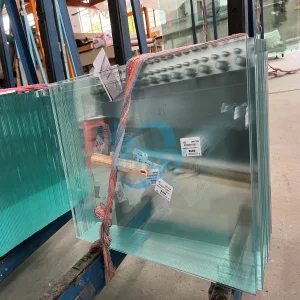
Ultra Clear Float Glass
2mm-25mm Ultra Clear White Low Iron High Transparency Float Glass
View Details
Premium Railway Rubber Pad
Premium Railway Track Shock Absorption Cushion Rubber Pad
View Details
Soundproof Rubber Underlay
Sol Rubber Eco Friendly Soundproof Rubber Underlay Acoustic Floor
View Details
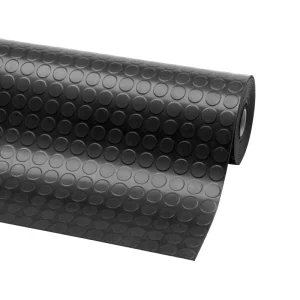
Black Pattern Rubber Pad
Black Pattern Rubber Pad Cushioning Elastic Silent Round Buckle Non-Slip Rubber Plate
View Details