Explore our diverse portfolio of engineered rubber padding, sound insulation materials, non-asbestos sheets, and premium structural sealing compounds designed for industrial environments.
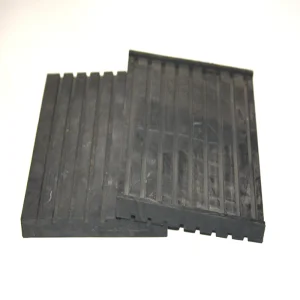
Custom Molded OEM Drawing Made Nitrile Buna-N Rubber Shock Absorption Rubber Pad
Learn More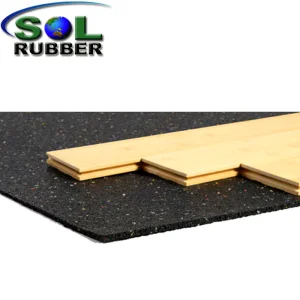
Sol Rubber Building Sound Insulation Underlayment Rubber Mats
Learn More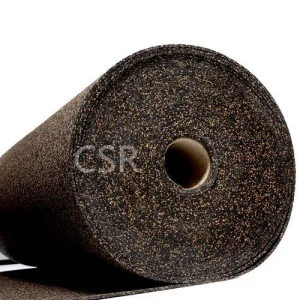
Factory Sales Acoustic Floor Underlayment Cork Roll Underlay Soundproof Floor Mat Rubber Cork Underlayment for Laminate
Learn More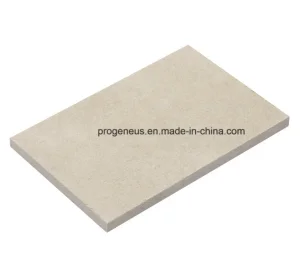
Progeneus Non-Compressed 9mm Non-Asbestos Fiber Cement Sheet
Learn More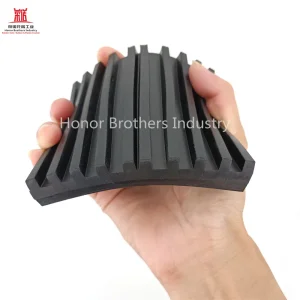
Non-Slip Shock Absorption Mat Block Anti Vibration Rubber Shock Pad
Learn More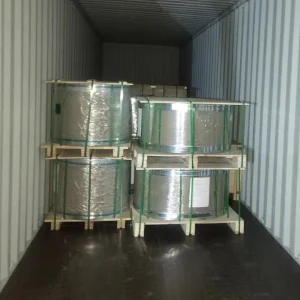
OE Quality NBR Coated Foamet Material for Iran Market
Learn More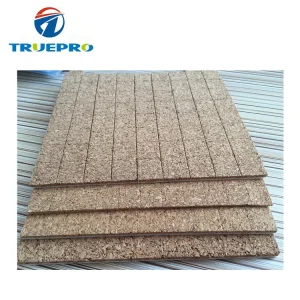
Self-Adhesive Square Cork Spacers Protect Used Glass Moving Cork Pad
Learn More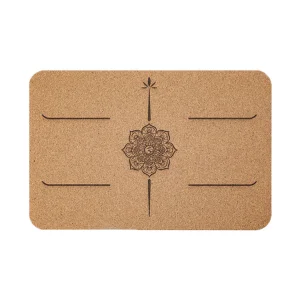
2023 New Design Cork Color High Quality Natural Rubber Yoga Mats Dance Knee Pad for Flooring Trainer Exercise in Garden or Yard
Learn MoreCork rubber gasket material is a composite of premium-grade granulated natural cork and synthetic elastomeric binders (such as Nitrile (NBR), Neoprene (CR), Styrene-Butadiene (SBR), or Silicone). This formulation marries the compressibility and recovery properties of cork with the flexibility and chemical resistance of rubber.
Unlike pure elastomeric compounds, which expand laterally under pressure (Poisson's ratio near 0.5), cork rubber maintains high volumetric compressibility with very minimal lateral flow. This unique physical property makes it the material of choice for narrow flanges and applications requiring high bolt loads without risking structural extrusion.
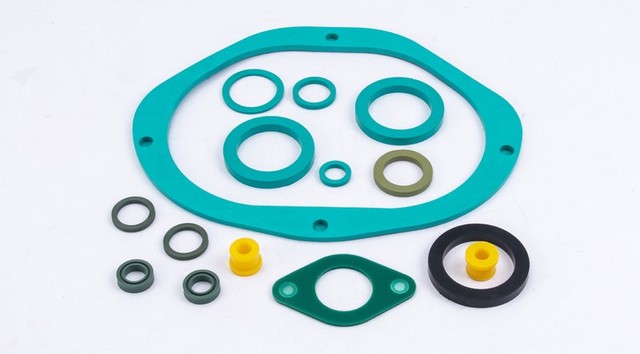
Dongguan Royflexa Rubber Co., Ltd. is an export-oriented, comprehensive, and diversified large-scale private enterprise. Our primary operations center around the manufacturing of high-performance industrial paper, flexible graphite, asbestos, non-asbestos gasket sheets, carbon black, and specialized packing/gasket components. Simultaneously, the group actively engages in foreign trade, real estate, and collaborative scientific research to continuously push boundary material limits.
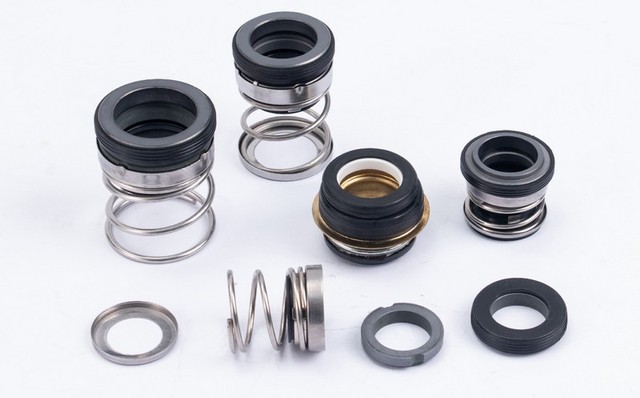
Since our establishment in 1996, Royflexa has successfully transitioned from a specialized trading concern to a vertically integrated scientific research and manufacturing powerhouse. We spare no effort in integrating international standardized management systems into our daily operations. Our group has successfully secured ISO quality, environmental, occupational health, and safety management system certifications. This commitment keeps us on an internationally standardized track, ensuring total safety and environmental compliance.
All core products are manufactured utilizing state-of-the-art equipment imported from leading global machine manufacturers, paired with proprietary advanced manufacturing techniques. With a continuous 60% increase in export sales, our products have gained immediate recognition across global markets for their reliability, consistency, and highly competitive pricing structure.
Global procurement teams turn to Chinese manufacturers like Dongguan Royflexa to capitalize on a unique, hyper-efficient industrial ecosystem. This advantage is not merely about raw production numbers, but the sophistication of our localized supply chains.
Our localized facilities draw raw cork granules directly from high-yield agricultural regions, while synthetic rubber monomer synthesis occurs in state-of-the-art petrochemical clusters nearby. This reduces logistic latency and raw material variability.
We utilize computerized closed-loop banbury mixers that ensure exact dispersion of vulcanization agents, accelerators, and plasticizers within the cork-rubber matrix, preventing premature degradation under stress.
Our plants employ automated continuous calendering lines. This maintains exceptionally tight sheet thickness tolerances (down to ±0.1mm), mitigating leak risks in high-precision assemblies.
Cork rubber gaskets and sheets serve critical sealing and insulation functions across key global industries. Below is an overview of real-world application architectures:
High-voltage distribution transformers utilize cork-rubber gaskets (primarily NBR-bound) to seal radiator flanges, bushings, and tank covers. The material withstands continuous exposure to hot dielectric insulating oils (mineral and synthetic ester fluids) while dampening low-frequency structural hums.
Used broadly in valve covers, oil pans, timing gear covers, and transmission oil pans. The material's compressibility allows it to form tight seals against stamped sheet metal oil pans without bending the flange, ensuring zero leakage of engine lubricants and transmission fluids.
In multi-story residential and commercial buildings, cork-rubber soundproof underlayment rolls decouple the subfloor from the finished floor (e.g., laminate, LVP, hardwood). It absorbs impact sound transmission (reducing Delta IIC ratings) and provides long-term compression resistance under high foot traffic.
Selecting the appropriate polymer binder is critical to ensuring chemical compatibility, thermal endurance, and mechanical seal integrity.
| Material Designation | Polymer Binder | Temp. Range (°C) | Primary Fluid Resistance | Typical Applications |
|---|---|---|---|---|
| RC-NBR (Nitrile) | Acrylonitrile Butadiene | -30 to +125 | Mineral Oils, Fuels, Hydrocarbons, Transformer Oils | Electrical Transformers, Auto Engines, Fuel Systems |
| RC-CR (Neoprene) | Chloroprene Rubber | -30 to +110 | Weathering, Ozone, Water, Refrigerants, Dilute Acids | General HVAC, Outdoor Enclosures, Construction Seals |
| RC-SBR (Styrene) | Styrene Butadiene | -40 to +100 | Water, Non-Polar Solvents, Weak Organic Acids | Low-pressure Pipe Flanges, Acoustic Underlayment Mats |
| RC-VMQ (Silicone) | Silicone Elastomer | -60 to +200 | Extreme Temperatures, UV, Ozone, Food-Grade fluids | Aviation Seals, High-Temp Machinery, Food Processing |
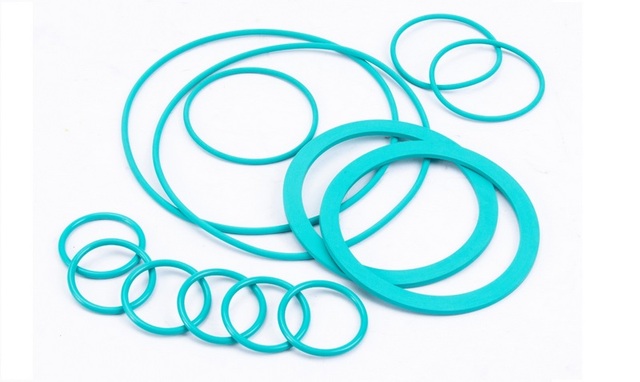
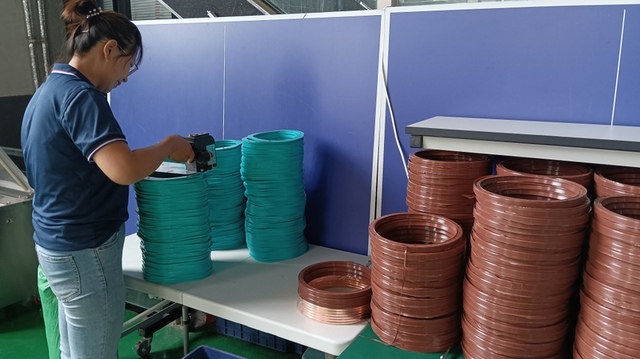
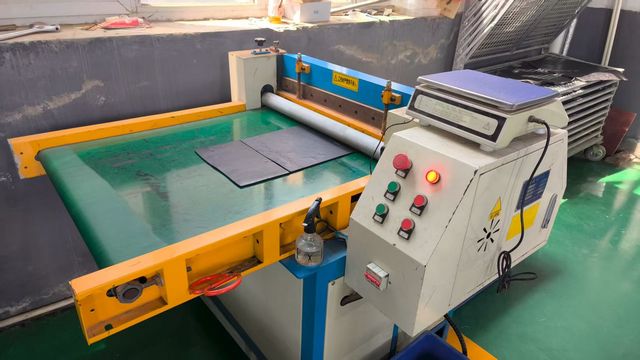
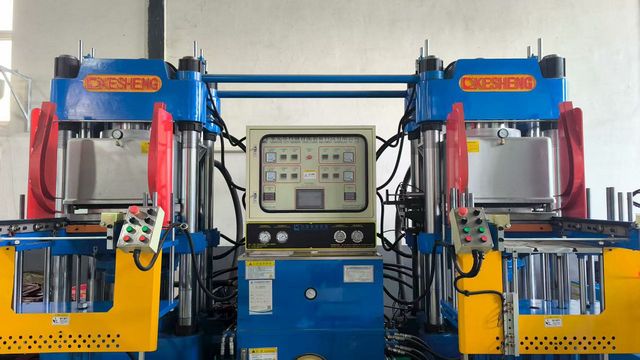
A visual showcase of our industrial sheets, compound blending stations, raw natural cork stocks, and specialized packing/graphite materials.
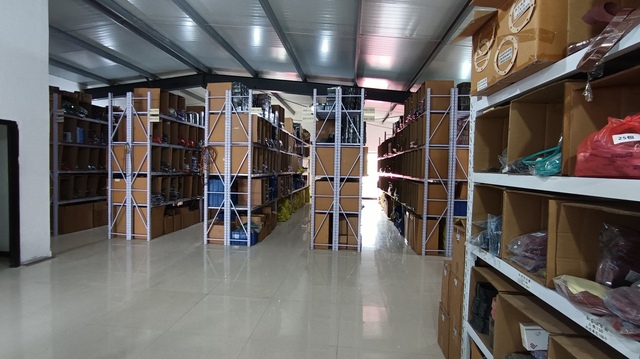
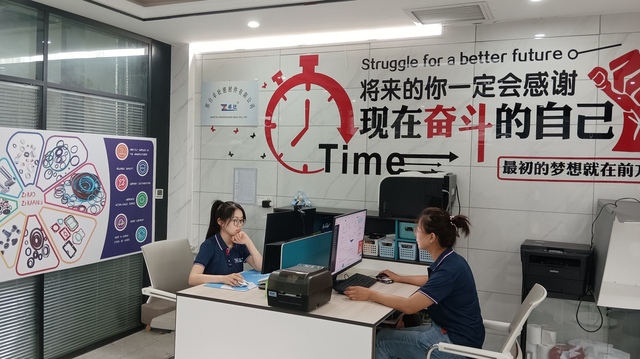
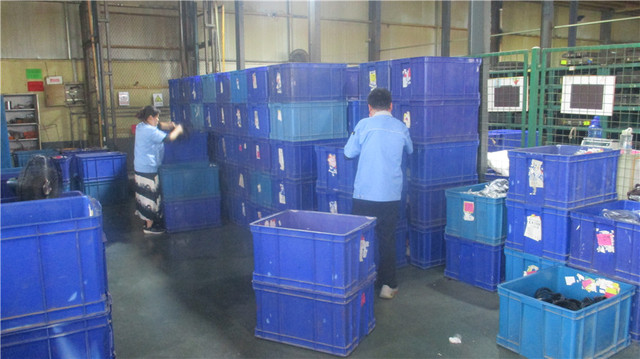
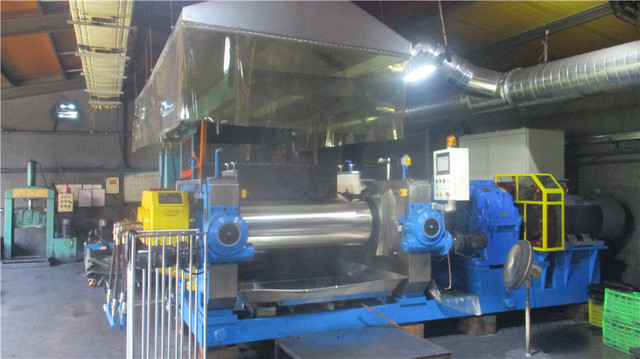
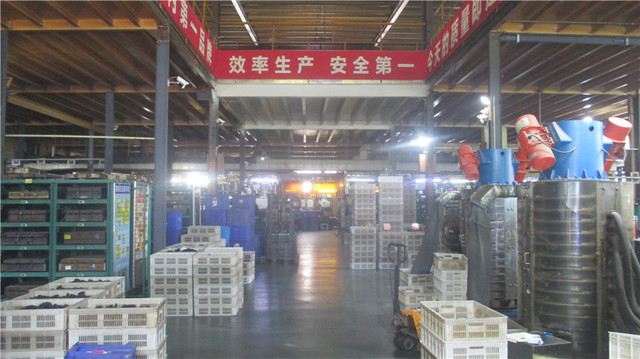
When sourcing cork-rubber materials globally, procurement agents must request specific mechanical parameter guarantees to prevent failures. Industrial-grade cork rubber sheets should align with ASTM F104 specifications (e.g., ASTM F104 line callouts F229000M9). Always require documentation on the following core values:
The cork-rubber industry is evolving rapidly to match contemporary sustainability targets and high-performance requirements. Two macro-trends dominate the industry's progression:
Due to strict REACH and RoHS regulations in the EU and North America, manufacturers are moving away from chlorinated binders (like chloroprene) toward bio-derived thermoplastic elastomers. Cork itself is naturally carbon-negative, making these composite materials highly valuable for carbon-footprint reduction initiatives.
EV battery pack housings require seals that prevent moisture ingress (IP67/IP68 protection levels) while offering vibration isolation. Lightweight silicone-cork and polyurethane-cork composites are being engineered to act as flame-barrier compression stops and thermal isolation pads.
Explore detailed solutions and engineering answers to the most common queries regarding specification, storage, and material installation.
Check our full range of SPC Flooring, Durable PU and Rubber Yoga sheets, Silicone gaskets, and high-durability TPE pellets for food-grade processing containers.
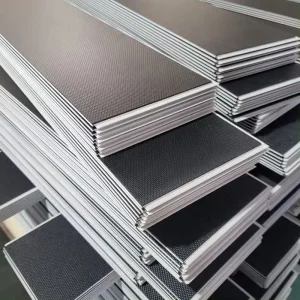
Spc Click Vinyl Flooring Interlock Click Vinyl Spc Lvp Flooring for Bedroom Plastic Flooring
Learn More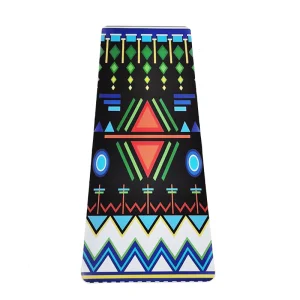
Custom Smooth Surface Durable PU Yoga Mat Rubber Yoga Mat Sheet Roll for Fitness
Learn More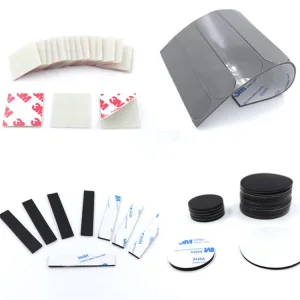
Silicone Shock Absorption Waterproof Insulated Adhesive Backed Rubber Feet Pad
Learn More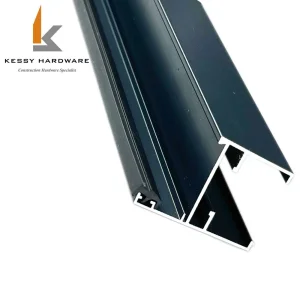
High Quality Materials of Rubber Complete Broken Bridge Aluminum Window Sealing Strip Factory Low Price Door and Window Seal
Learn More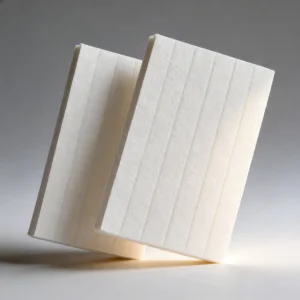
Premium White Felt Pads for Surface Protection, 18X18X4mm
Learn More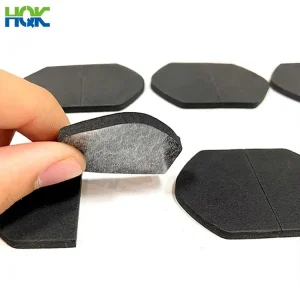
Non-Slip Silicone Gasket Back Adhesive Self-Adhesive Die-Cut Custom Silicone Gasket
Learn More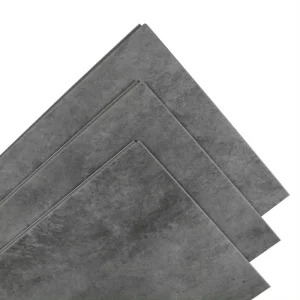
Contemporary High Quality Waterproof Spc Flooring for Indoor Projects
Learn More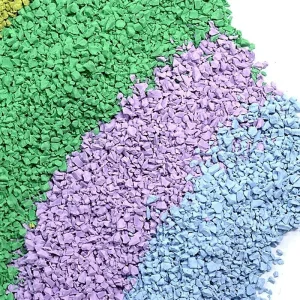
Oil Resistant Thermoplastic Elastomer Pellets with Exquisite Surface for Food Containers
Learn More Royflexa Rubber