Understanding the role of sealing materials in engineering systems is crucial for effective design and operation. According to a report by the Sealing Industry Association, improper sealing can lead to equipment failure, costing the industry approximately $3 billion annually. Seals are often overlooked, yet they play a vital role in preventing leaks and maintaining system integrity.
Dr. John Mitchell, a leading expert in materials engineering, emphasizes, "What is the role of sealing materials in engineering systems? They ensure reliability and efficiency." This statement underscores the necessity of using high-quality sealing materials in various applications, from automotive to aerospace. As systems become more complex, so do the sealing challenges, leading to greater demand for innovative solutions.
Incorporating advanced sealing technologies can significantly enhance performance. However, the industry still faces issues with material compatibility and environmental factors. Identifying the right sealing solutions requires careful analysis and experience. As engineers, we must reflect on the evolving demands and adapt our strategies to prevent costly failures and inefficiencies.
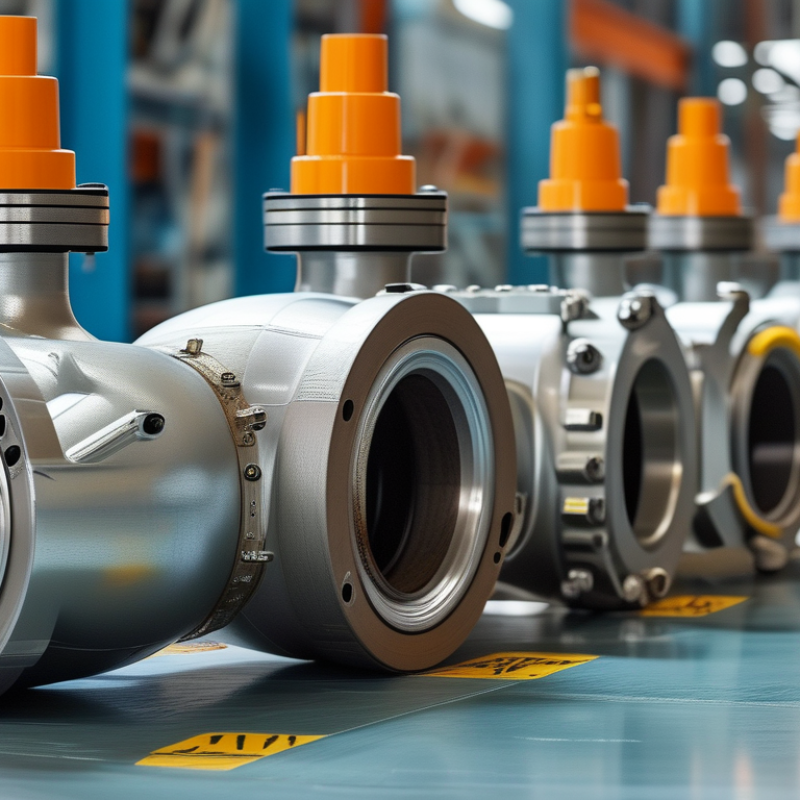
Sealing materials are crucial in engineering systems. They serve to prevent leaks, reduce contamination, and maintain pressure. When components come together, gaps often exist. These gaps can be problematic. Choosing the right sealing material can make a big difference in performance and longevity.
Different types of sealing materials are available. Each has unique properties and applications. For example, elastomers are flexible and can adapt to various surfaces. They are effective under moderate pressures and temperatures. In contrast, gaskets provide a better seal in static applications. The wrong choice can lead to system failures, which can be costly and dangerous.
Understanding the limitations of sealing materials is essential. Not every material suits every application. Working conditions must be considered. Temperature fluctuations can cause certain materials to degrade. Regular inspections can help catch issues before they escalate. Even the best materials require maintenance. Proper installation is key. Misalignment can lead to premature wear and leaks. Ignoring these factors can challenge the efficiency of an engineering system.
| Sealing Material Type | Common Applications | Temperature Range (°C) | Pressure Resistance (MPa) | Key Properties |
|---|---|---|---|---|
| Rubber | Automotive, HVAC systems | -40 to 120 | 1.0 - 3.0 | Elasticity, Chemical resistance |
| PTFE (Teflon) | Chemical processing, Food industry | -240 to 260 | 2.0 - 4.0 | High temperature stability, Chemical inertness |
| Silicone | Electronics, Medical devices | -60 to 200 | 1.0 - 3.5 | Flexibility, Weather resistance |
| Gasket Materials | Pipelines, Machinery | -50 to 300 | 1.5 - 5.0 | Compressibility, Chemical compatibility |
| Elastomers | Construction, Aerospace | -30 to 150 | 1.0 - 3.0 | Durability, Vibration damping |
Sealing materials play a crucial role in engineering applications, providing essential barriers against leakage, contamination, and wear. They are key in industries ranging from automotive to aerospace to construction. According to a report from Smithers Pira, the global sealing materials market was valued at approximately $47.3 billion in 2021 and is expected to grow at a robust pace, indicating the vital demand for effective sealing solutions.
Various types of sealing materials are used based on specific applications. Elastomers, including rubber, are often employed in automotive seals due to their flexibility and thermal resistance. These materials can endure extreme temperatures while maintaining a tight barrier. In contrast, metal gaskets are favored in high-pressure applications like pipelines, due to their durability. A study by MarketsandMarkets projected that the demand for elastomeric seals will increase by 5.8% annually from 2022 to 2027, highlighting their importance in modern engineering.
However, the selection process is not always straightforward. Engineers must consider factors such as chemical compatibility and environmental exposure. Inadequate attention to these aspects can lead to seal failure. A report from the Sealing Industry Association notes that more than 30% of leaks in chemical processing can be attributed to improper sealing material choices. Hence, engineers need to continually evaluate their options and adapt to evolving challenges in material science.
Sealing materials play a crucial role in the integrity of engineering systems. Their performance directly impacts the efficiency, safety, and durability of various applications. Key properties such as compressibility, thermal stability, and resistance to chemicals significantly influence their effectiveness. For example, elastomer seals often exhibit high compressibility, enabling them to adapt to surface irregularities, which enhances their sealing ability.
Studies reveal that over 30% of machinery failures are linked to seal failure. This highlights the need to select sealing materials based on specific operational conditions. For instance, in high-temperature environments, materials with low thermal conductivity are essential to prevent degradation. Additionally, chemical resistance is vital for applications exposed to aggressive substances.
Understanding these properties can help pinpoint the right sealing material for specific needs. A common pitfall is underestimating the operating environment. Not all materials perform well under extreme conditions. Some materials may seem efficient initially but fail prematurely.
Evaluating sealing materials through a rigorous testing process is advisable. This includes simulating real-world conditions to observe performance metrics. Regular audits of sealing systems can uncover weaknesses before they become critical.
Choosing the right sealing materials is critical in engineering. Several factors influence this selection. The operating environment is paramount. Factors like temperature, pressure, and exposure to chemicals affect material performance. For instance, elastomers may perform well in lower temperatures but fail in high heat scenarios. According to a report by the Material Science Journal, improper sealing can lead to a 30% reduction in system efficiency.
Cost is another essential factor. Selecting cheaper materials may seem attractive initially. However, long-term functionality and reliability often outweigh upfront savings. A study from the Engineering Association revealed that 55% of maintenance costs stem from sealing failures. Thus, investing in quality sealing materials is often more economical in the long run.
Consider the compatibility of materials. Different fluids or gases may react with certain seals. This can lead to degradation and leakage. Always examine chemical compatibility charts when making selections. It’s advisable to conduct material tests under your specific conditions to validate performance. Remember, the right choice today can prevent costly repairs tomorrow.
Sealing materials play a crucial role in engineering systems, yet they often face significant failures. Common issues include inadequate compression, chemical degradation, and excessive wear. A report by the ASME estimates that improper sealing leads to a 30% increase in maintenance costs. This highlights the importance of selecting appropriate materials for specific applications.
Employees unfamiliar with sealing technology may overlook environmental factors. Heat and chemical exposure can weaken seals, leading to leaks. A study indicated that 20% of industrial leaks are attributable to seal failure. Regular inspections and proper installation can help mitigate these risks.
Consider these practical steps: always check compatibility with fluids and temperatures. Ensure that surfaces are clean and free from contaminants before installation. Pay attention to changes in performance over time; they may indicate underlying seal issues. Monitor and replace seals proactively to prevent costly failures.
This bar chart illustrates common failures associated with different sealing materials in engineering systems. The data highlights the frequency of failures observed for each material, showcasing the importance of selecting the right sealing material for optimal performance and reliability in engineering applications.
: Sealing materials prevent leaks, reduce contamination, and maintain pressure in engineering systems.
The right sealing material enhances performance and longevity, while the wrong choice can lead to system failures.
Key properties include compressibility, thermal stability, and chemical resistance which influence effectiveness.
Temperature and pressure can significantly impact seal durability; some materials fail under extreme conditions.
A common pitfall is underestimating the operating environment, leading to premature material failure.
Regular inspections catch issues early, preventing leaks and maintaining the efficiency of the engineering system.
While cheaper materials may save money initially, quality materials often provide better long-term reliability and savings.
Misalignment during installation can cause premature wear and result in leaks over time.
Testing under real-world conditions reveals performance metrics and helps ensure material suitability for specific applications.
Always check chemical compatibility charts to prevent degradation and leakage from inappropriate material selections.
Sealing materials play a crucial role in engineering systems by preventing leakage and ensuring the efficient operation of various components. Understanding the basics of these materials involves recognizing their types, such as elastomers, gaskets, and sealants, each serving specific applications across industries. Key properties, including temperature resistance, chemical compatibility, and mechanical strength, are essential to engineering performance.
When addressing what is the role of sealing materials in engineering systems, it becomes evident that their selection is influenced by several factors, including the operating environment, material compatibility, and design requirements. Additionally, engineers must be aware of common challenges and failures associated with sealing materials, such as degradation over time or improper installation, to ensure reliable system functionality. Proper knowledge and application of sealing materials can lead to enhanced performance and longevity of engineering systems.

Royflexa Rubber