Leakage in mechanical systems is a critical issue across various industries. Understanding how to prevent leakage in mechanical systems is vital. It not only ensures efficiency but also extends the lifespan of equipment. Leaks can lead to significant financial losses and potential safety hazards. Therefore, effective prevention strategies are necessary.
In the pursuit of preventing leakage, attention to detail is essential. Seals, gaskets, and fittings must be inspected regularly. Materials used should be selected carefully to withstand operational conditions. However, creating a completely leak-proof system is challenging. Even the best systems can experience wear and tear over time. Acknowledging this reality is important for continuous improvement.
Training personnel and implementing proper maintenance protocols play significant roles. Employees should understand the importance of leak prevention. Knowledge and awareness can significantly reduce risks. Regular audits and feedback loops can help identify potential problems early. Ultimately, preventing leakage requires a holistic approach. It demands commitment and awareness from all levels of an organization.
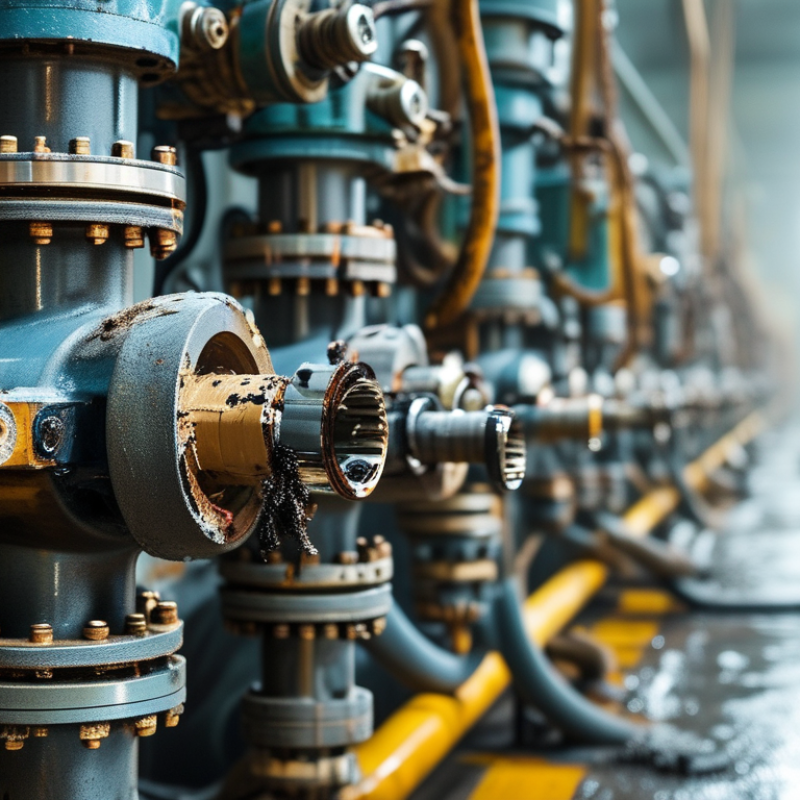
Leakage in mechanical systems is a common issue that can lead to efficiency loss and increased costs. Identifying the prevalent causes can help mitigate these problems. One major cause is improper sealing. Gaskets, o-rings, and seals wear out over time. Regular inspections can catch these failures early. Corrosion of metal parts also plays a vital role. Moisture can lead to rust, which creates gaps for leakage. Checking for signs of corrosion should be a routine part of maintenance.
Another contributing factor is poor alignment of components. Misalignment can create undue stress on parts, resulting in leaks. For instance, poorly installed pumps might cause vibrations that loosen connections. Regularly aligning parts reduces this risk significantly. Furthermore, temperature fluctuations can lead to material expansion and contraction, which may weaken seals. Understanding the environmental conditions your system operates in is crucial.
Lastly, contamination can exacerbate leakage. Dust, dirt, and other foreign materials can interfere with seals and gaskets. Keeping systems clean can prevent these issues. It’s essential to reflect on these problems regularly. Sometimes systems may need redesigning for better performance. Maintaining a proactive approach can save significant costs in the long run. Each of these causes highlights a need for vigilance and careful management in mechanical systems.
: Improper sealing is a major cause. Gaskets and seals wear over time. Corrosion of metal parts also contributes.
Regular inspections are essential. Look for rust or gaps that indicate wear. Catching these issues early can prevent leaks.
Poor alignment creates stress, which leads to leaks. For example, misaligned pumps can vibrate and loosen connections.
Temperature fluctuations lead to material expansion and contraction. This can weaken seals over time and increase leakage risk.
Dust, dirt, and foreign materials can cause leaks. Keeping systems clean is vital for maintaining effective seals.
It's a method that can detect very small leaks. It is sensitive enough to find leaks as small as 0.01 cfm.
It monitors pressure changes over time to identify leaks. Data from pressure sensors reveal leaks that are not easily visible.
Keeping a detailed log helps identify patterns over time. This information is useful for improving maintenance practices.
Yes, trained staff can respond more effectively to potential issues. This enhances overall system management and safety.
Regular testing is recommended. Adapting practices based on outcomes ensures vigilance and helps prevent future leaks.
Preventing leakage in mechanical systems is essential for ensuring operational efficiency and safety. To address how to prevent leakage in mechanical systems, it is crucial to first identify common causes of leakage, such as wear and tear, improper installation, and material degradation. By implementing effective sealing techniques, like using gaskets and sealants correctly, one can significantly reduce the risk of leaks.
Regular maintenance practices, including inspections and timely repairs, are vital to maintaining the integrity of mechanical systems. Additionally, selecting appropriate materials that enhance leak-proof designs plays an important role in preventing leaks. Finally, establishing monitoring and testing methods allows for the early detection of potential leaks, ensuring that systems remain functional and reliable over time.

 Royflexa Rubber